Adam Hickman
July 30, 2026
/
5 min read

Extreme heat and wildfires are affecting far more than travel schedules. For organisations with people working or travelling internationally, rapidly changing environmental conditions can place employees at risk, restrict access to suitable healthcare, and create complex medical response decisions.


The summer of 2026 has provided another clear indication of how quickly extreme weather can affect normal operations.
Copernicus Climate Change Service reported that western Europe experienced its hottest June on record, with an average temperature 3.06°C above the 1991–2020 average. Widespread dry conditions contributed to the spread and intensification of wildfires, particularly in Spain and France. WHO Europe subsequently described extreme heat as a public-health emergency rather than simply a weather event.
For businesses, insurers and travel-risk teams, the concern is not only whether a journey can continue. The more difficult question is what happens when someone becomes unwell in a location where local services, transport routes and healthcare infrastructure are also under intense pressure.
Heat can change the medical picture quickly
People do not all respond to extreme heat in the same way.
Age, existing health conditions, medication, physical exertion and familiarity with the climate can all affect an individual’s ability to cope. A traveller who appeared fit to undertake a journey may deteriorate quickly after prolonged exposure, dehydration or strenuous work.
The initial response may appear straightforward: move the individual somewhere cooler, begin rehydration and seek medical advice. However, more serious heat illness requires prompt clinical assessment and treatment. That becomes harder when local emergency services are experiencing increased demand or the nearest appropriate hospital is already operating to capacity.
Employers therefore need more than a general instruction to 'seek local medical help'. They need to know:
1. where appropriate treatment is available;
2. whether the facility remains accessible;
3. how the patient will be transported;
4. who will assess the standard of local care;
5. and what the alternative is if the local system cannot meet the patient’s needs.
Wildfire smoke creates a wider area of risk
The medical effects of a wildfire are not confined to people close to the flames.
Wildfire smoke contains gases and fine particles that can travel considerable distances. WHO identifies particulate matter as the principal public-health threat from wildfire smoke, with potential effects ranging from irritation of the eyes and respiratory tract to more serious cardiovascular and respiratory problems.
This can expose employees who are many miles from the visible fire front. It may also affect airports, roads, accommodation and hospitals serving a much wider region.
An employee with asthma, cardiovascular disease or another relevant medical condition may require assistance even though their immediate location is not subject to an evacuation order. At the same time, the most obvious route to care may no longer be the most appropriate one.
Medical response planning must sit alongside travel-risk planning
Most organisations already monitor severe weather, local security conditions and transport disruption. The medical implications should form part of the same process.
Before deploying people into an area affected by extreme heat or wildfire risk, organisations should establish four things.
1. What medical support is realistically available?
The nearest clinic is not necessarily equipped to manage serious heat illness, respiratory distress or a complex underlying condition. Organisations need to understand the capabilities of local providers rather than relying solely on distance.
2. What could prevent access to care?
Road closures, smoke, power disruption and pressure on emergency services can all affect a planned medical pathway. An alternative facility and transport route may be necessary.
3. Who makes the decision to escalate?
There should be a clear route for obtaining clinical advice and deciding whether the patient can remain locally, should be moved to another hospital or requires evacuation.
4. How will the case be coordinated?
The employee, local provider, employer, insurer and transport operators may all hold different parts of the information. Someone must maintain oversight of the whole case and ensure that decisions are properly communicated.
Early coordination creates more options
The point of medical emergency response planning is not to evacuate every person who becomes unwell. It is to ensure that the right decision can be made promptly, using reliable clinical and local information.
In some circumstances, the patient may be managed safely through remote medical advice and treatment at a suitable local facility. In others, movement to a different city, region or country may be required.
The earlier that qualified assistance is involved, the more time there is to assess the patient, verify the available care and identify practical alternatives before their condition or the wider environment deteriorates.
How medresq supports organisations
Medresq provides 24/7 medical assistance for businesses with employees working and travelling internationally. Its services include medical case management, Medical Emergency Response Planning, access to international healthcare providers and the coordination of evacuation and repatriation where required.
That support can include:
· assessing the individual’s clinical needs;
· identifying and communicating with suitablemedical facilities;
· monitoring treatment and advising the employeror insurer;
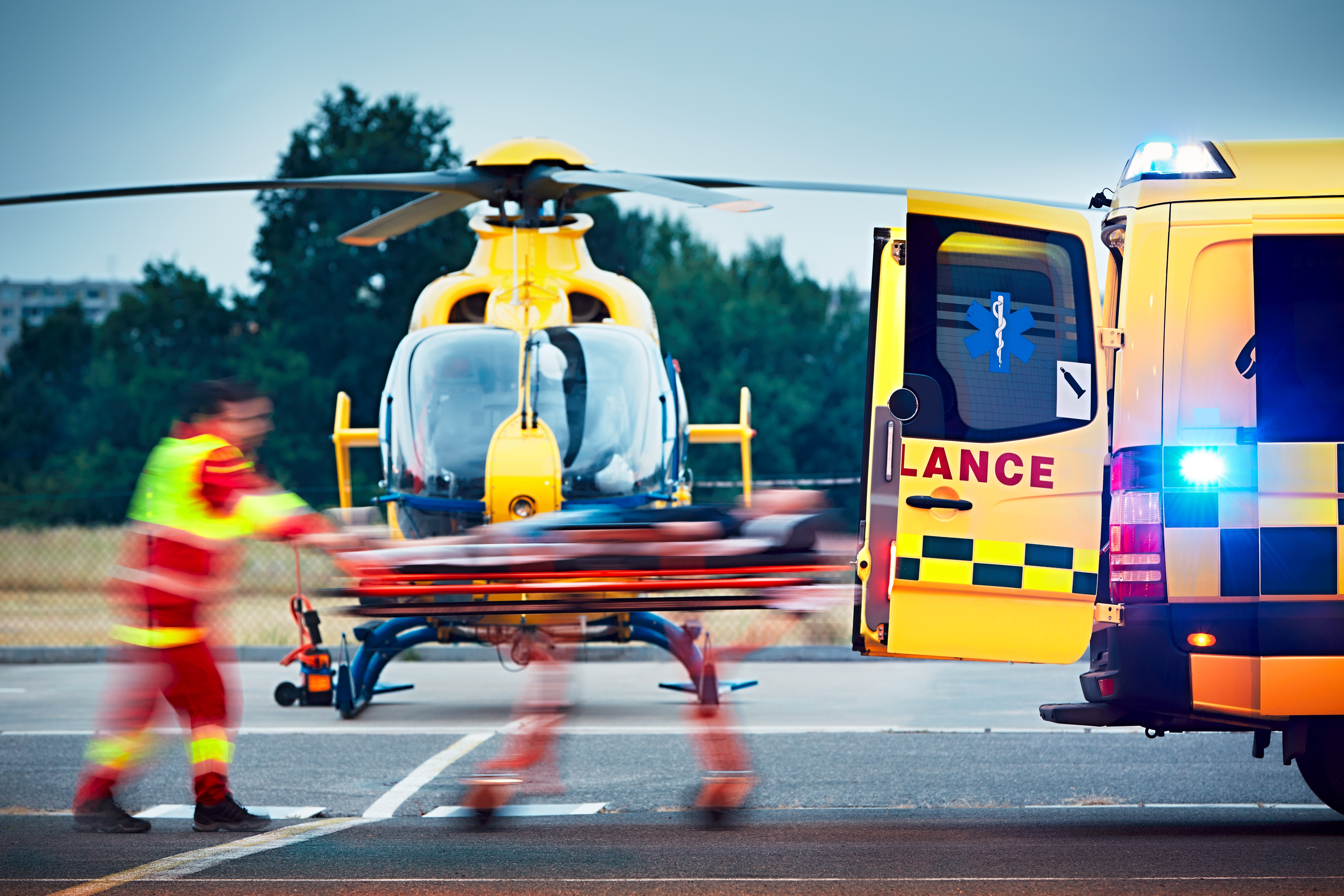
· arranging ground or air transport;
· and maintaining oversight until the case issafely resolved.
Extreme heat may begin as a weather warning. For an organisation with people on the ground, however, it can rapidly become a medical, operational and duty-of-care issue.
Are your medical response arrangements ready for rapidlychanging conditions?
Speak to the medresq team about medical emergency responseplanning and 24/7 support for employees working and travelling internationally.
Reach out to discuss your needs and receive a tailored healthcare strategy.