Simon Adams
October 30, 2026
/
5 min read

A ski injury abroad can be frightening, but it needn't be confusing. Drawing on time spent as a resort rescue rep and now in medical assistance, Simon Adams walks through what really happens from the moment you fall to the moment you're home, and what to expect at every stage.

Most ski injuries are handled well, provided the right people are involved early. Most of the stress comes from not knowing what happens next.
I learned that first-hand. Some years ago I worked seasons in the Aosta Valley with the grand title of ‘Resort Rescue’. In practice, when someone was injured, I'd collect them and get them to the trauma clinic on the hill, or meet them there. I translated, kept them calm, and got on the phone to their insurer or assistance company.
I now sit on the other end of that call, as commercial director at Medresq. Having seen it from the slope, the clinic and the assistance desk, I want to walk through what really happens after a ski accident, stage by stage. It's for skiers who'd like to know what to expect, and for the insurers and brokers who look after them.
On the mountain: emergency services first, then your assistance company
If you or someone in your group is hurt, the first call is to local help, not your insurer. Get someone’s attention, call the piste patrol - the number is usually on your lift pass or piste map, or contact the emergency services (112 anywhere in Europe).
Once you're safe and being looked after, call your insurer's 24-hour medical assistance line. The number is on your policy documents. The sooner they know, the sooner they can help, and the earlier call often decide show smoothly the rest goes.
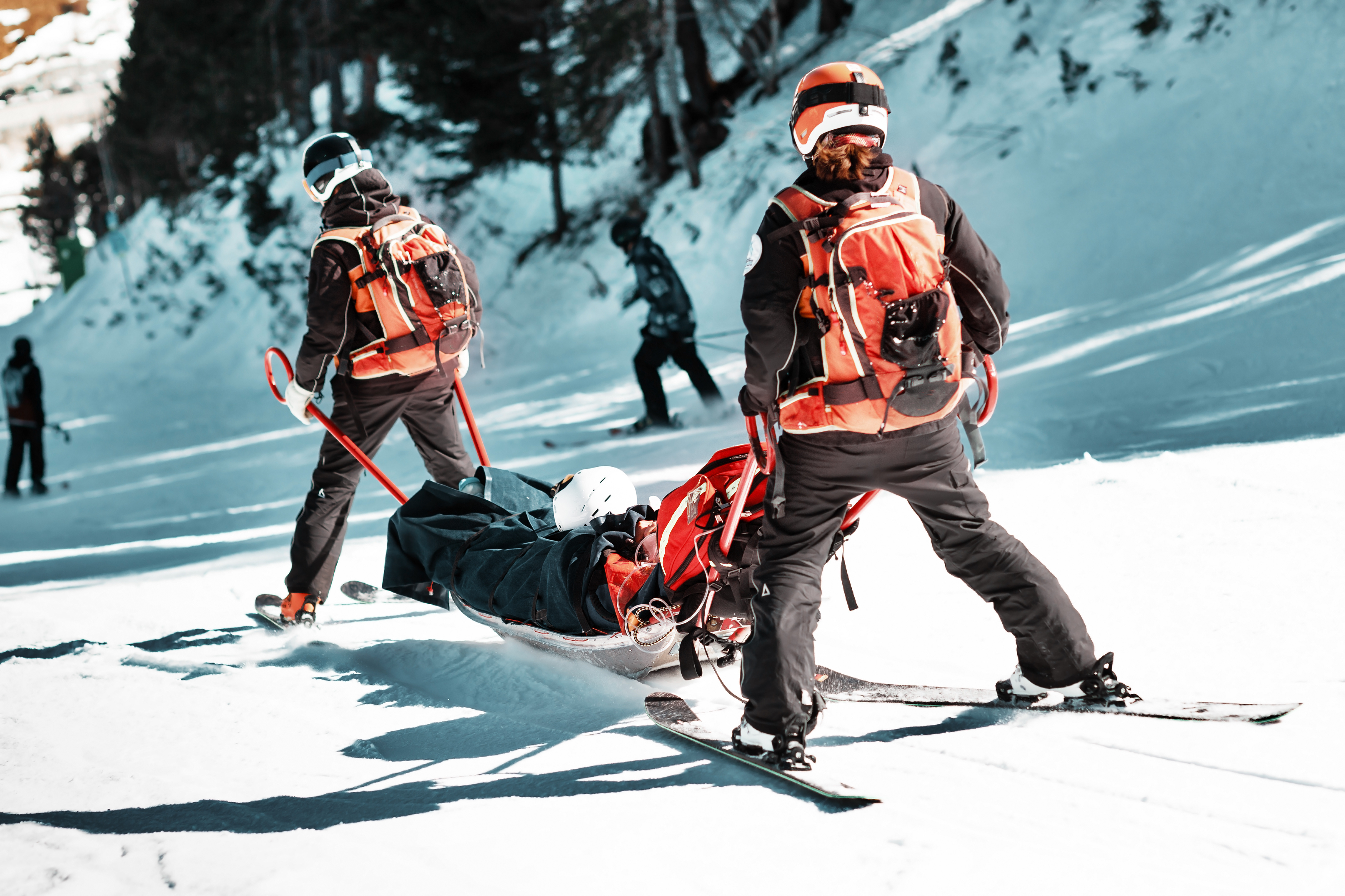
It's worth knowing that in many resorts, rescue from the piste is not free. A stretcher sled (known to skiers affectionately as a 'blood wagon'), or helicopter evacuation, is often charged by the local rescue service, separately from any hospital bill. Most winter sports policies include search and rescue cover, but keep any paperwork the rescue team gives you.
At the resort clinic: call before you sign
Most injured skiers are taken first to a clinic in or near the resort. These clinics see injuries all day, every day, and many are excellent. Many are also private.
That matters for two reasons. First, your GHIC or EHIC only applies to state healthcare, so it may not help in a private clinic. Second, some clinics ask for a credit card, a deposit or a signed agreement to pay before they'll treat you.
This is the moment to speak to your assistance company, ideally before you sign anything or hand over a card. A good assistance team can usually confirm your cover with the clinic and arrange to pay them directly. If you need treatment urgently and can't call first, get the treatment and call as soon as you can afterwards.
The medical conversation: why ‘now’ isn't always best
This is the part of a ski case that can cause the most frustration, so it's worth understanding.
Travel insurance is there for emergency treatment or, simply put, treatment for a medical condition that just cannot wait for treatment at home. Or, where initial stabilisation to help get you home is required, prior to longer term treatment. It isn't private medical insurance. Some injuries will need treating in resort, such as many fractures, dislocations and head injuries. Others can wait until you're home, and are often better looked after there.
The classic example is the knee. Ruptured anterior cruciate ligaments (ACLs) are one of the most common ski injuries. It's not unusual for a resort clinic to offer reconstruction surgery within a day or two.
In UK practice, though, ACL surgery is rarely an emergency. The usual approach is a brace, crutches and pain relief, then a period for the swelling to settle and the knee to be properly assessed. Many people rebuild strength with physiotherapy before any decision on surgery, and some never need it.
That's where your assistance company's medical team comes in. Our doctors and nurses speak to the clinicians treating you, review the scans and reports, and compare the proposed treatment with UK clinical guidance. If something can safely wait, we'll explain why and help you get home so it can be done close to family, with follow-up from a team you can see again.
We understand that being told ‘not here, not now’ can be hard to hear when you're in pain and a surgeon is offering to fix it tomorrow. The aim isn't to save money. It's to make sure you get the right treatment, in the right place, at the right time.
Getting home: decided by what you need medically
Once you're stable, the question becomes how to get you home safely. The answer depends on your condition, not on a standard package.
The main options, from most to least common, are:
1. A normal flight, sometimes with an upgraded or extra seat so an injured leg can be kept straight.
2. A medical escort, where a nurse or doctor travels with you on a scheduled flight.
3. A stretcher on a commercial flight, for patients who need to lie flat.
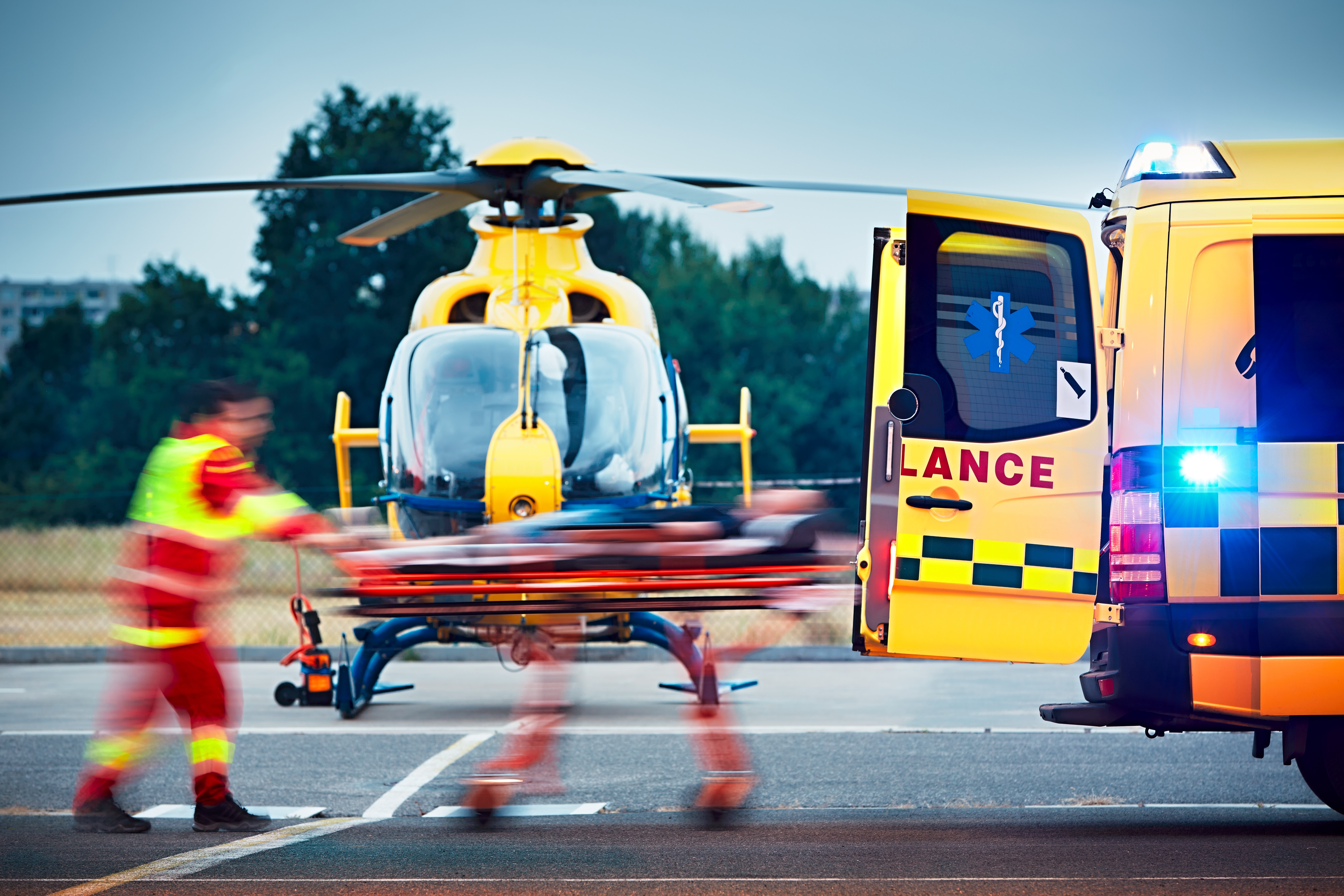
4. A road ambulance, occasionally used for shorter journeys within Europe, or when flying isn’t advisable. Long road journeys can be tiring for an injured patient, so it’s usually kept for cases where it’s clearly the better option.
5. An air ambulance, for the small number of patients who need intensive care or monitoring throughout.
There are practical details that people rarely think about. Leg injuries and long periods sitting still raise the risk of blood clots, so you may be given blood-thinning medication for the journey. A fresh plaster cast may need to be split, or replaced with a brace, before an airline will accept you. Airlines often need a medical form signed by your doctor, which your assistance company will arrange.
The timing and method are decided by the assistance company's medical team, in discussion with the doctors treating you. If you'd prefer a different option, say so. A good team will explain its reasoning rather than simply tell you.
Staying informed: no news is still news
Ask anyone who's been through a medical case abroad what frustrated them most, and the answer is rarely the treatment. It's not knowing what's happening.
A medical case moves at the pace of hospitals, scans, specialist opinions and airline approvals. There are often quiet periods where nothing visible happens. To someone lying in a hospital bed in a foreign country, silence feels like being forgotten.
It shouldn't. You should expect your assistance company to:
· explain the plan, and why, in plain language
· update you regularly, even when there's nothing new to say
· keep a family member informed if you'd like them to be
· stay in touch until you're home, not just until the bill is paid
These are the standards we hold ourselves to at Medresq. In my experience, keeping people informed often matters as much as anything else we do.
Before you go: five minutes that make a difference
· Save your assistance number in your phone, along with your policy number. Searching for paperwork at the bottom of a piste is no fun.
· Take your GHIC or EHIC. It won't cover a private clinic, but it helps in state hospitals across Europe.
· Declare any medical conditions when you buy or renew your policy. Undeclared conditions are one of the most common reasons claims run into trouble.
· Check your policy covers what you'll actually be doing. Off-piste, touring, terrain parks and racing are often treated differently, and policies vary a lot.
· Know the piste rescue number for your resort. It's usually on the lift pass or piste map.
· An app that can provide your location when on piste or in more remote areas, such as what3words, can be invaluable.
And if something does happen, remember the order: local emergency help first, then your assistance company.
A note for insurers and brokers
From the industry side, ski cases follow a familiar pattern. The ones that turn into complaints usually share one of three things: the assistance company was contacted late, expectations weren't set early, or communication dried up.
Each of those can be designed out. Clear guidance to policyholders on who to call and when, from the point of sale onwards, brings cases to the assistance team earlier. Clinical oversight grounded in UK guidance means treatment decisions can be explained and defended, protecting both the patient and the policy. Regular, proactive updates prevent the ‘nobody is telling me anything’ calls to brokers, partners and clubs.
Good medical assistance isn't only about controlling costs. Done well, the right clinical outcome, the right cost and a satisfied customer are usually the same thing.
If you'd like to talk about how we support winter sports schemes, we'd be happy to hear from you.
Reach out to discuss your needs and receive a tailored healthcare strategy.