Stuart Phillips
August 20, 2026
/
5 min read

West Nile virus is appearing in parts of Europe with no history of it. The geography may be more important than the case numbers.
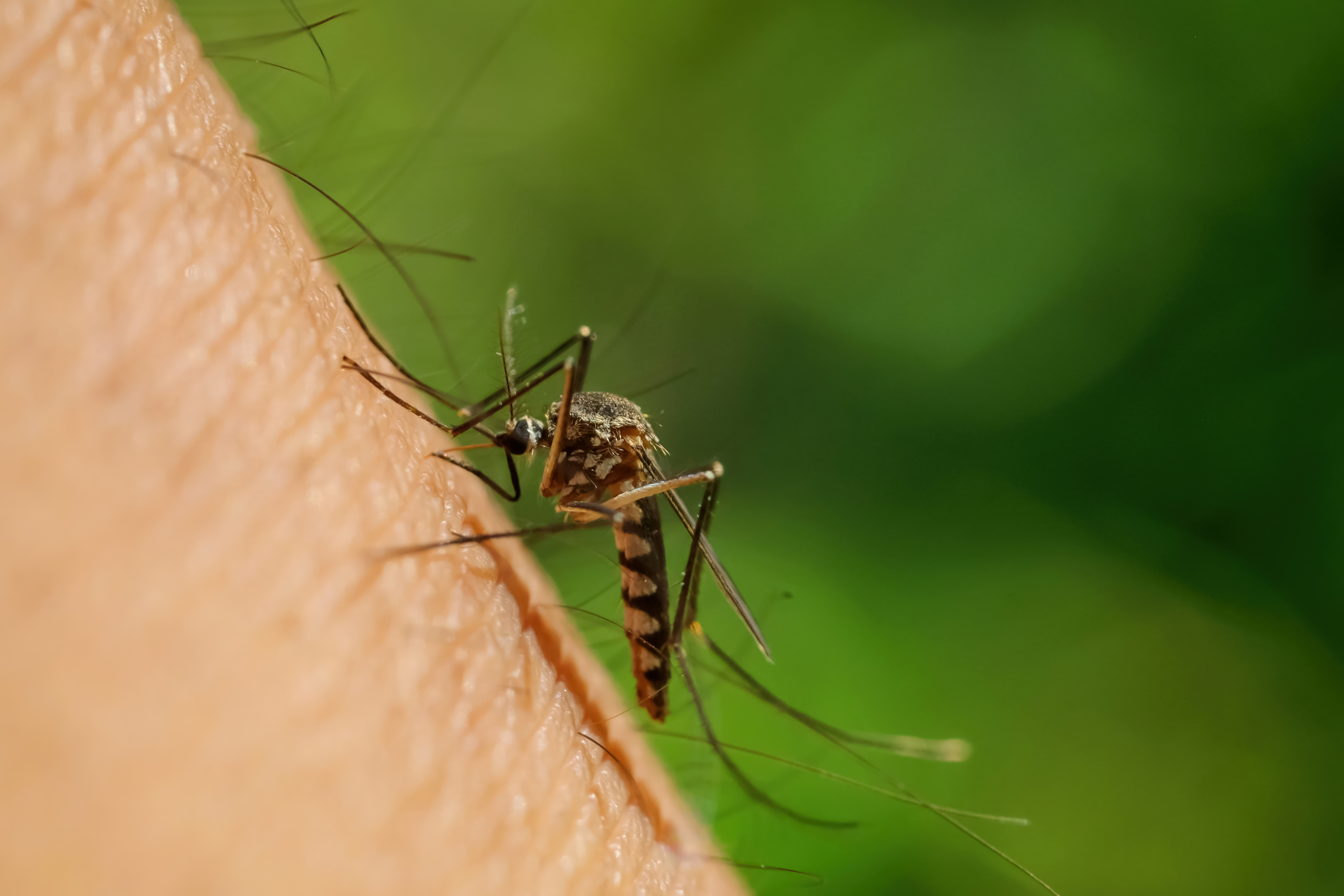

For as long as most underwriters have been pricing it, mainland European travel has been treated as about as predictable as medical exposure gets. Good healthcare, short flights home, familiar risks, and that assumption is still broadly true. But it’s quietly ageing at the edges, and West Nile virus is the clearest example of why.
West Nile virus has circulated in southern and eastern Europe for years. Greece and Italy see it most summers. What has changed more recently is its reach. Over recent seasons the virus has been appearing further north and west, in areas with no previous record of local transmission, and the 2026 season has made that trend difficult to overlook.
What the 2026 data actually shows
It’s worth being precise here, because the honest picture is more useful than an alarming one. By mid-August 2026, ECDC's weekly surveillance recorded locally-acquired human cases across nine European countries, led by Italy, Greece and Spain. The total number of cases was not exceptional. In fact it sat below the ten-year average for the period, though ECDC notes the season's data are provisional and delays may under state the true figure.
So this is not a story about record volumes. It is a story about where the virus is turning up. Germany reported a locally-acquired case. The virus was detected in birds in parts of Belgium and the Netherlands that had never recorded it before, often ahead of any human case. Across the season, ECDC logged a substantial number of areas affected for the first time. The map is spreading outward, into territory previously considered clear.
Why it isspreading, and why that matters for planning
The mechanism is well understood, which is exactly what turns this from a bad-summer anomaly into a planning consideration. The mosquito that carries West Nile virus is highly sensitive to temperature. Warmer, longer summers increase mosquito density and extend the window during which the virus can circulate. Current climate projections have the suitable-transmission zone continuing to expand northward and westward for decades to come. This is a direction of travel, not a spike.
For anyone carrying travel or medical risk on European itineraries, two consequences follow. The first is demographic. The mature traveller, the one most drawn to extended European touring, is also the one most likely to develop serious neurological complications if infected. The exposure and the high-value policyholder overlap almost exactly.
The second consequence is the more useful one because, unlike the weather, it is within our control. There is no vaccine for West Nile virus and no treatment beyond supportive care. That means pre-travel prevention advice, while sensible, can only do so much, and it would be misleading to claim it meaningfully reduces the chance of infection. The real difference is made after someone falls ill.
Where a caseis won or lost
A West Nile infection that is recognised quickly and routed to a facility equipped to manage a neurological presentation follows a very different path from one that sits undiagnosed in a hospital that cannot handle it. The first stays controlled. The second escalates, clinically for the patient and financially for whoever is carrying the risk. The clinical variable and the cost variable are essentially the same.
This’s why, when the risk map shifts, the right response is not simply to reprice or to add another line to a pre-travel leaflet. It is to make sure that if a policyholder does fall ill in an unfamiliar place, the people managing the case can recognise what they’re dealing with and move quickly to the right care. That is where the outcome is decided, and it’s where we would put the emphasis.
The predictable European itinerary is not disappearing. But the assumptions underneath it are worth revisiting each season rather than taking as fixed, because the risk is no longer sitting quite where it used to.
Source: ECDC, Surveillance of West Nile virus infections in humans in Europe, weekly and monthly reports, 2026 transmission season. Figures cited as at mid-August2026 and updated weekly during the season. ecdc.europa.eu
Reach out to discuss your needs and receive a tailored healthcare strategy.